Beloved vs Loved: What’s the Difference and When Should You Use Each?
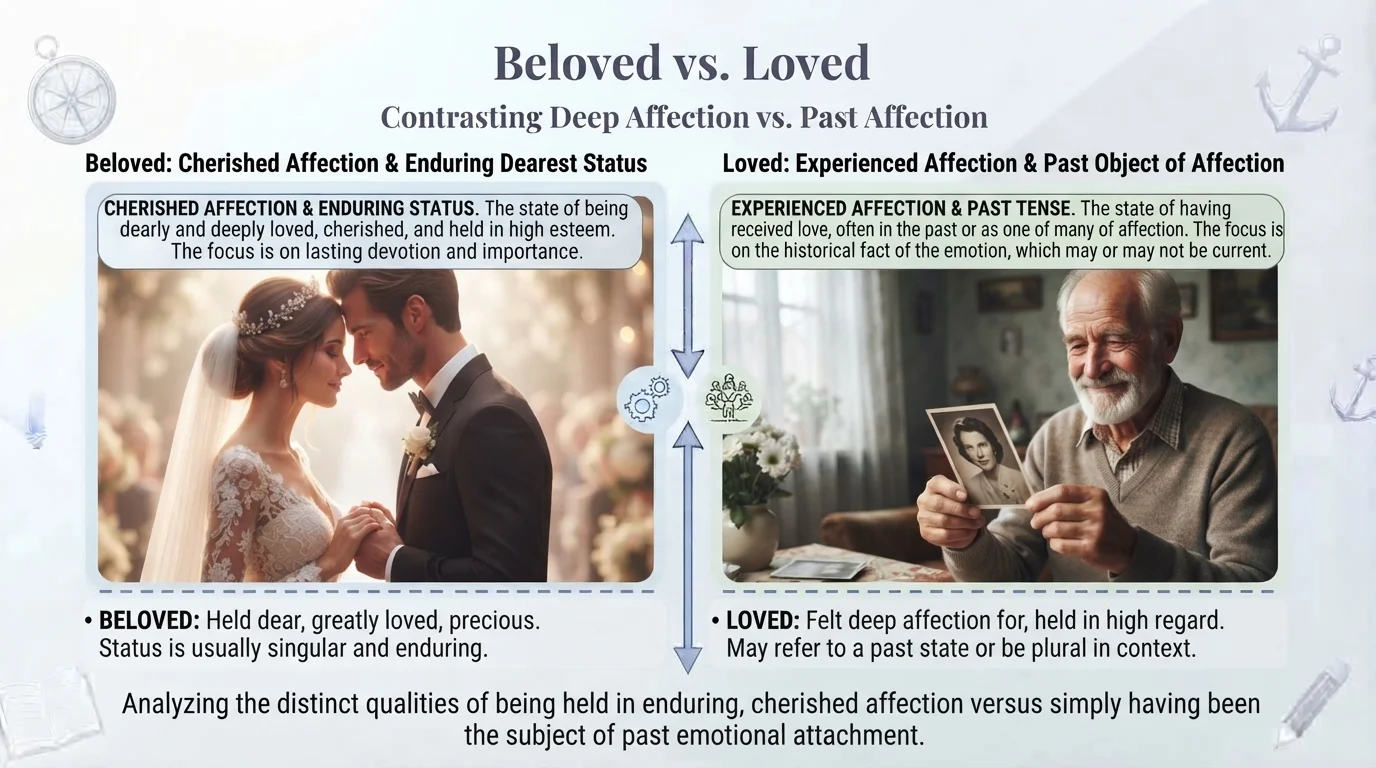
Beloved vs loved can be confusing because both words describe strong feelings of affection, care, and emotional attachment. In everyday ...
Read more
Do Not vs Don’t: What’s the Difference and When Should You Use Each?
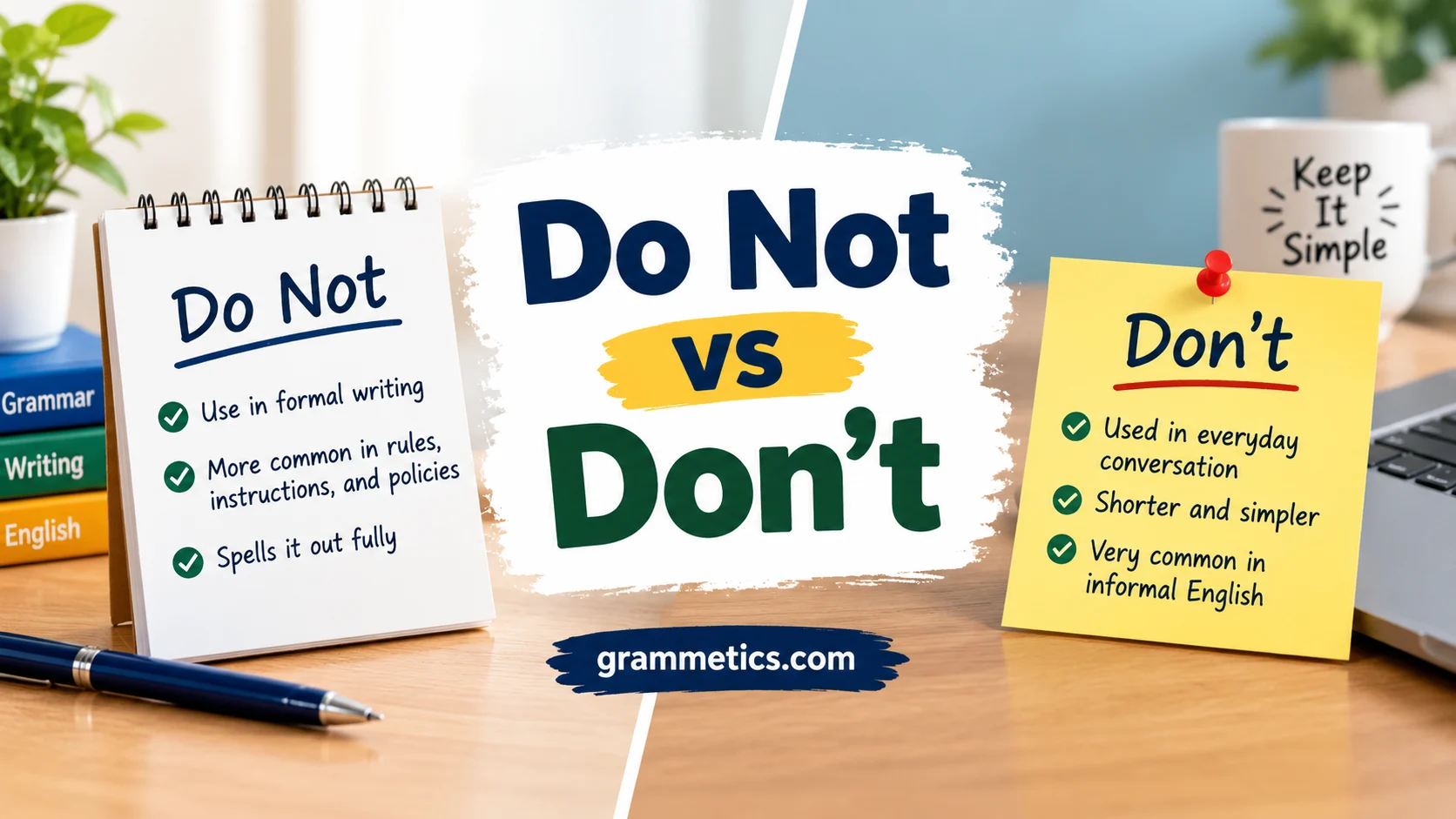
“Do not” and “don’t” have the same basic meaning, but they are not always used in exactly the same situations. ...
Read more
Savor vs Saver: What’s the Difference? Meaning, Usage & Examples

English has many word pairs that sound similar but have completely different meanings. Savor vs saver is one such pair. ...
Read more
If She Was vs If She Were: Which Is Correct? A Clear Grammar Guide

When talking about hypothetical situations, many English learners wonder whether they should say “if she was” or “if she were.” ...
Read more
Proved vs Proven: Which Is Correct? Meaning, Usage, and Examples
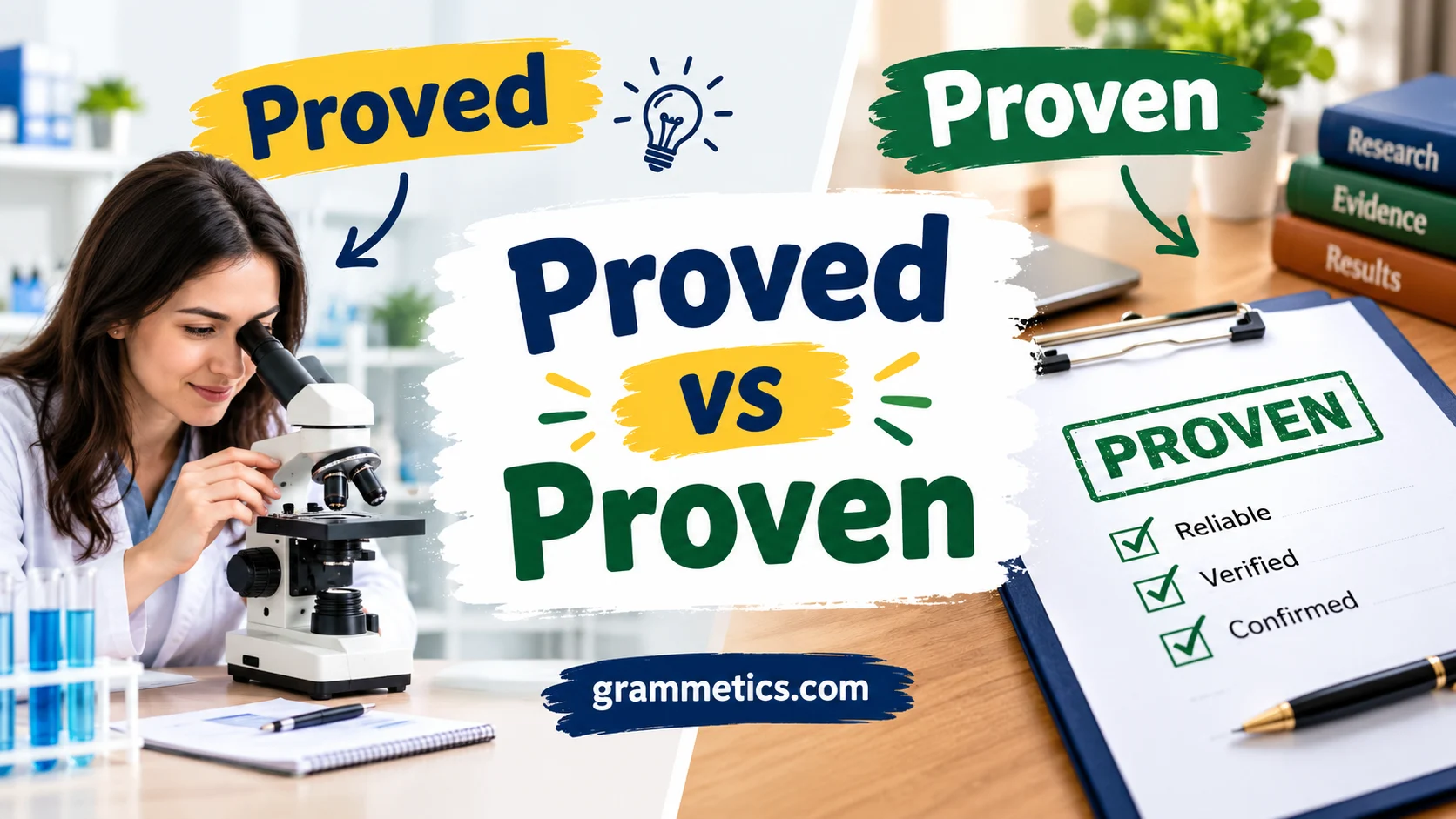
“Proved” and “proven” are two forms of the verb prove, and both can be correct. The confusion comes from the ...
Read more
Take It or Leave It: Meaning, Usage, Examples, and Common Mistakes

When someone says “take it or leave it,” they are usually making an offer without inviting negotiation. The expression means ...
Read more
Gases vs Gasses: Which Spelling Is Correct? Meaning, Usage & Examples
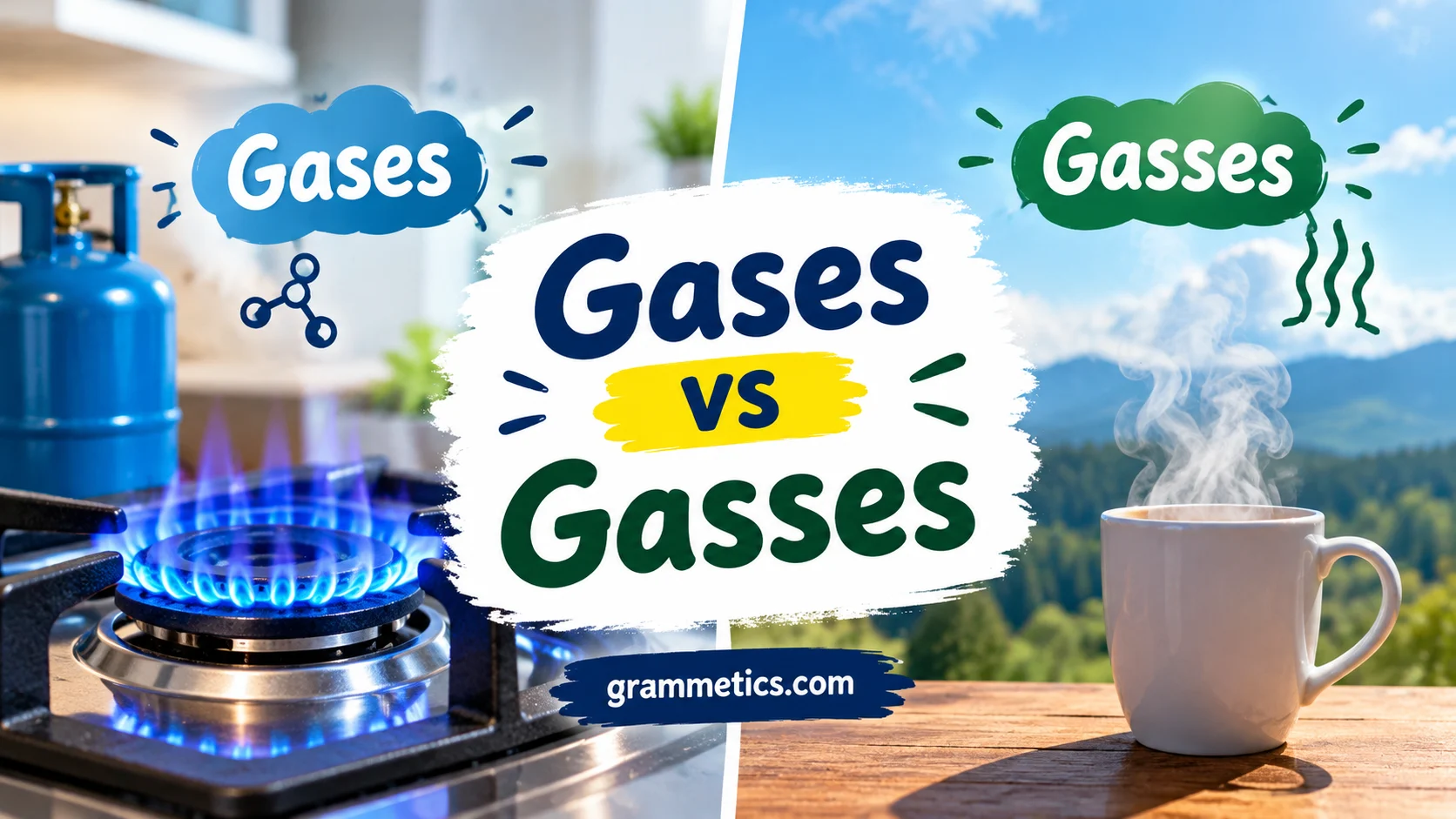
When you come across gases vs gasses, it is easy to wonder whether one spelling is wrong. Both forms are ...
Read more
Hit the Ground Running: Meaning, Examples, and How to Use It Correctly

Have you ever heard someone say, “She started her new job and hit the ground running”? If you wondered whether ...
Read more
Elegy vs Eulogy: What’s the Difference? Meaning, Examples, and Easy Ways to Remember

When talking or writing about someone who has died, elegy vs eulogy can be confusing because both words are closely ...
Read more
Whole Day vs All Day: What’s the Difference and When Should You Use Each?

“Whole day” and “all day” are both used to talk about a complete day, so it is easy to assume ...
Read more